Dev toolFeatured
Open
TestDaş
Web + mobile + Chrome extension helping Android developers clear Google Play’s 12-tester closed testing via peer credit exchange.
WebMobilChrome eklentisi
MEDICAL AESTHETICS · SOFTWARE · CLARINET · SCREENWRITING
20+ years as a medical doctor, medical aesthetics, first-aid instruction, software experiments, clarinet, and screenwriting — a personal notebook, not a corporate showcase.
From Denizli — medical doctor, instructor, coder, clarinetist, and story-maker.
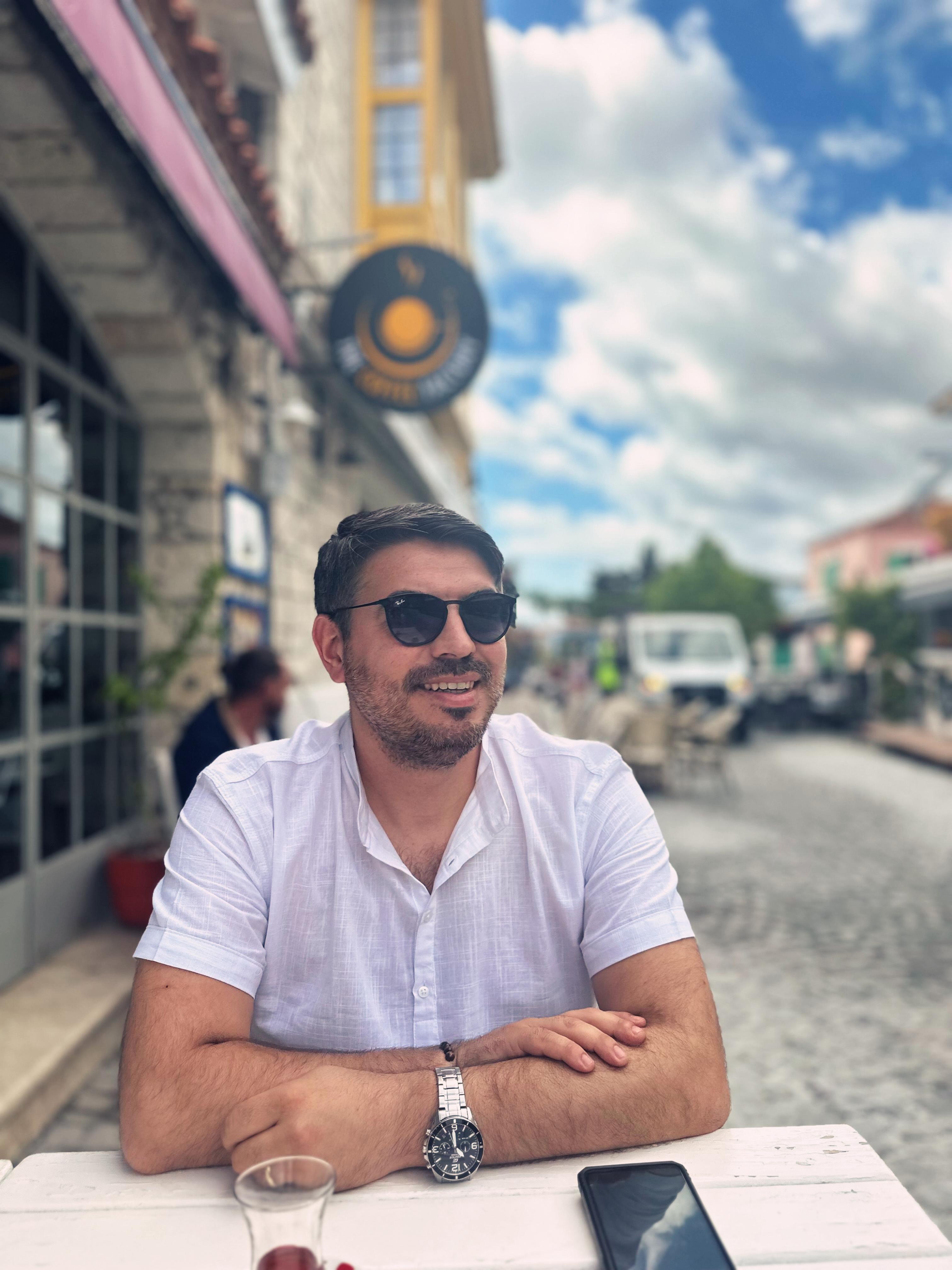
DR.
Soner Ekici
Denizli, Türkiye
I’ve been a medical doctor for more than twenty years. I’ve worked in many places and roles. Since my university years I’ve also been into programming, web design, and coding. Alongside my work as a medical doctor I keep teaching first aid to institutions and organizations. In my spare time I tinker with software, play clarinet, and write scripts and creative texts. This site is that notebook left open. I’m interested in AI as technology evolves and takes a larger place in our lives. Projects keep circling in my mind. To quiet that inner restless creature, I’ve been spending most of my time on software lately. To put those foxes in my head to sleep now and then, I also turn to music. I’m not highly professional, but I enjoy playing the clarinet. I’m not a screenwriter, but I like scribbling things down when the “wouldn’t this make a good series/film?” idea shows up. Apart from all that, I’m an ordinary person.
Four lanes, equal curiosity. One is a profession — all feel like hobbies.
TestDaş and Jüri60 up front — a hobby corner of web, mobile, and side projects.
Plain educational notes on common procedure types — reading material, not a service pitch.
Dystopias, biographies, satire, comedies — stories drafted for film and TV.
Clarinet — breath, tone, slow practice. Recordings: YouTube @DrKlarnet.
TestDaş and Jüri60 up front; other experiments nearby. Languages and tools I use in those apps are below.
Languages
Tools & frameworks
Web + mobile + Chrome extension helping Android developers clear Google Play’s 12-tester closed testing via peer credit exchange.
A web + mobile platform for rapid decisions and voting — shareable polls, live results.
A SocialFi experiment where profile valuations trade inside a simulated exchange.

A multi-tenant home-healthcare management system.

30-second video pitches, real-time applause, and an aura-point economy. Live domain is currently offline — archive note.

Appointment app for aesthetic clinics with calendar, SMS reminders, and cloud backup. No public live link — archive note.
A mobile password manager with expiry reminders.

A Unity 2D physics/memory puzzle (Singularity Slip).
Short educational notes only — not personal medical advice or a service advertisement.
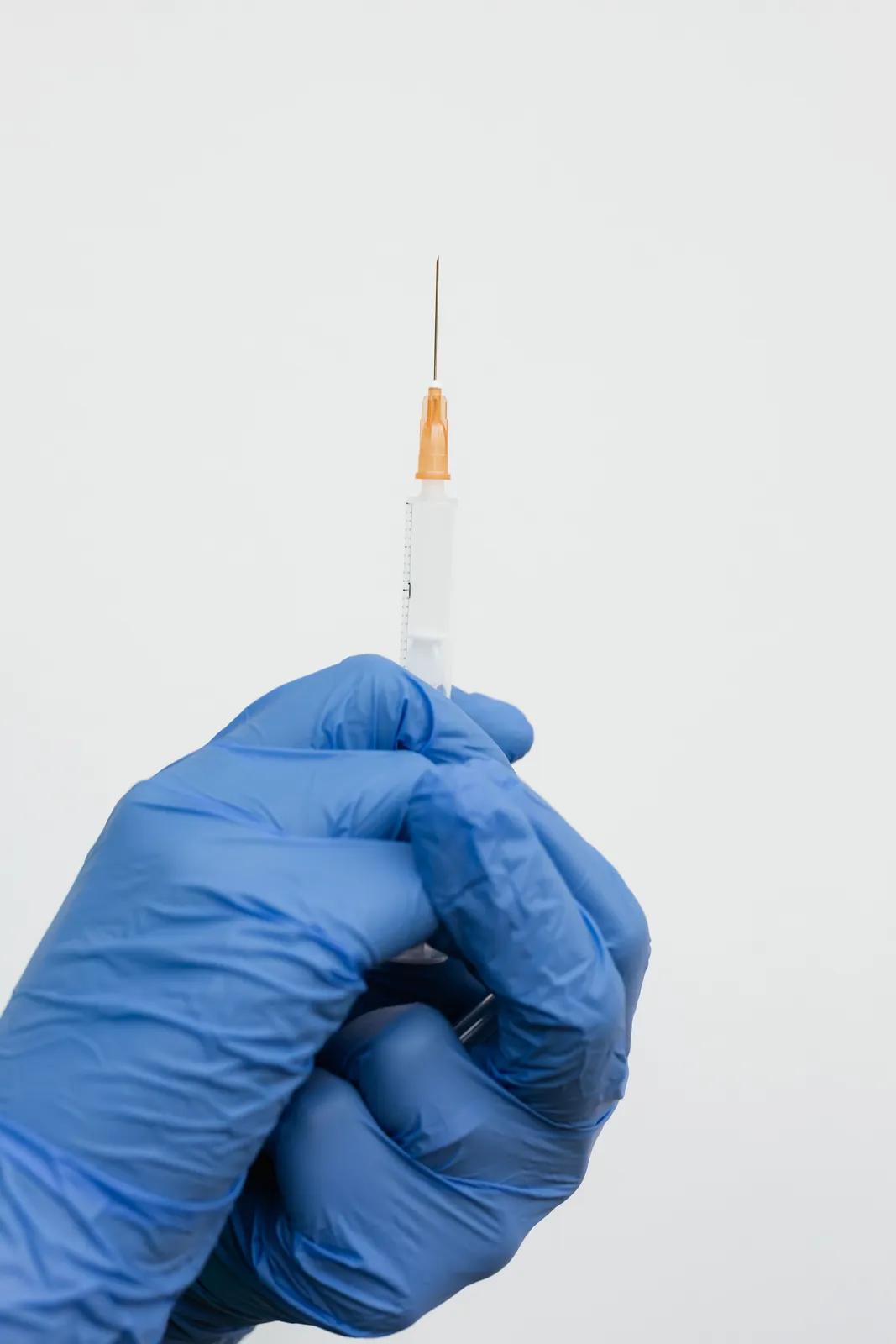
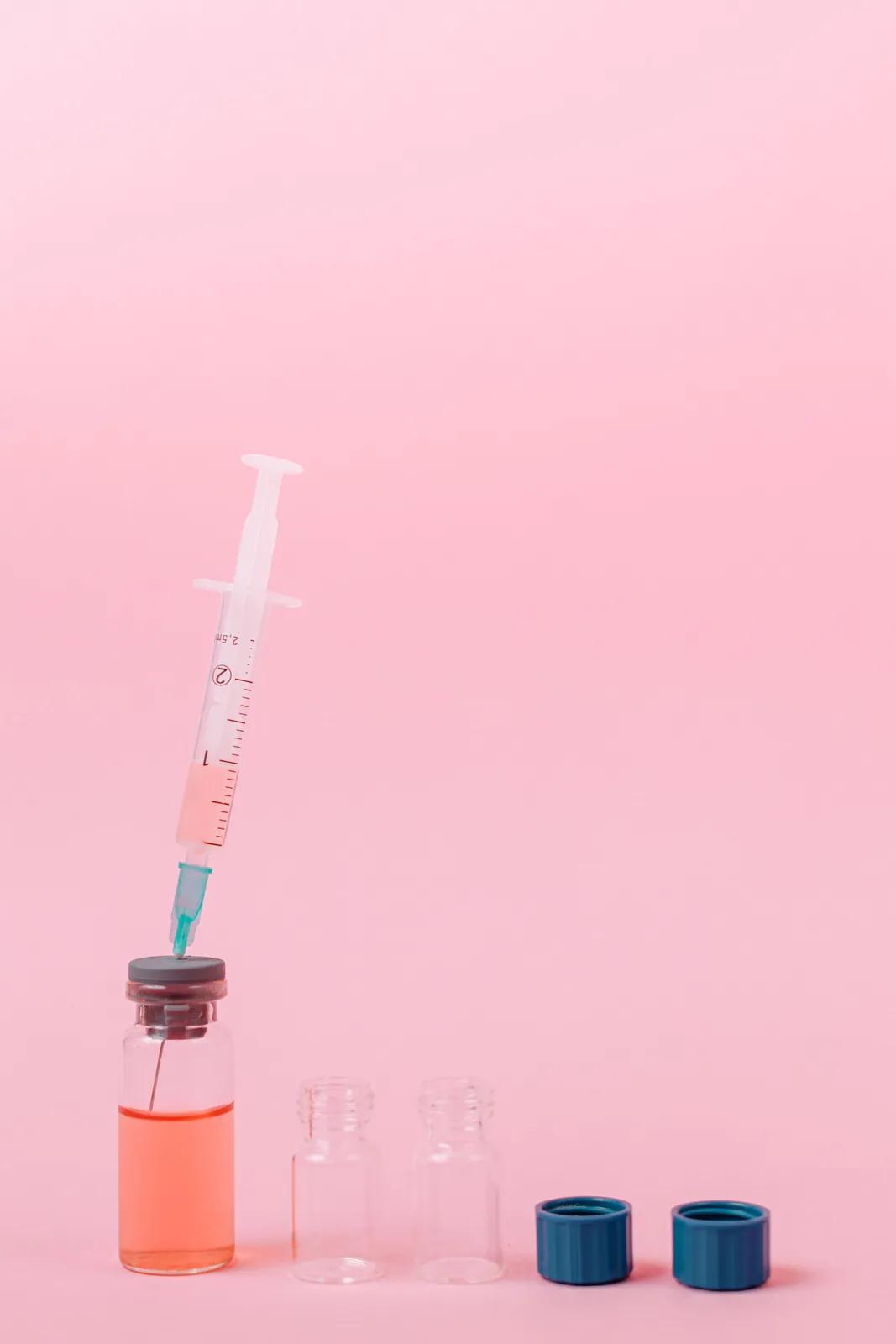
A neuromodulator approach used to soften expression lines. Duration and suitability vary by person; assessment by a medical doctor is essential.
Note
Medical aesthetic procedures require assessment by a medical doctor and individualized planning. The notes here are educational only — they do not diagnose, treat, or promise appointments.
This section is not advertising or a service offer — only general reading notes.
Stories in the notebook — dystopia, biography, satire, comedy.
Historical Biography / Drama
The courage-and-sacrifice story of Kara Fatma, a legendary woman of the National Struggle.
Social media satire
A man chasing the blue checkmark loses himself between verified identity and the real self.
Comedy
An ordinary character’s unexpected comic trip through everyday absurdity.
Dystopia / Sci-Fi
In a dystopian future where Istanbul is rewritten as a new continent, identity and belonging collapse at the edges.
My instrument is the clarinet — breath, tone, and practice at my own pace.
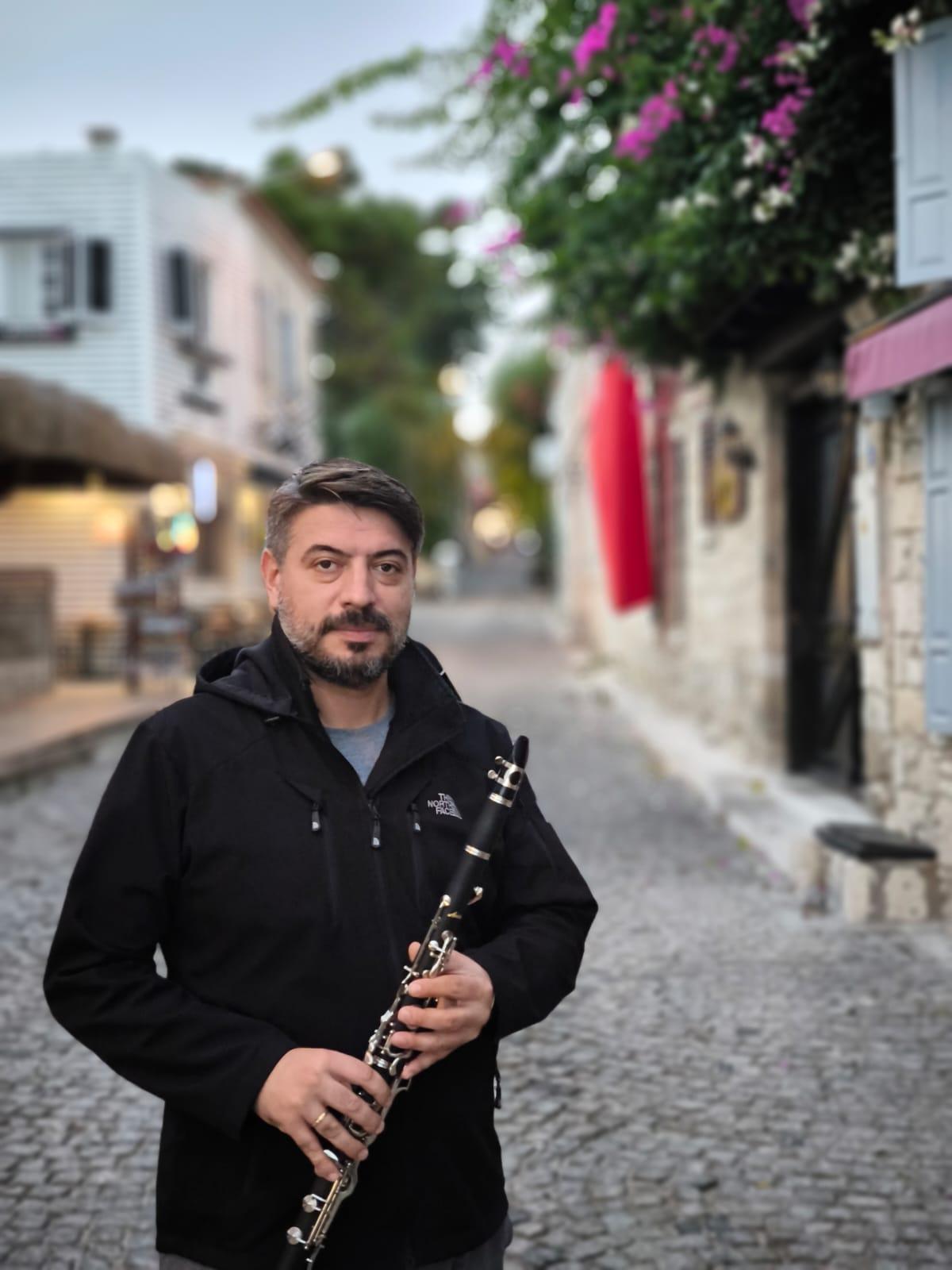
Clarinet
On the street, at his own pace
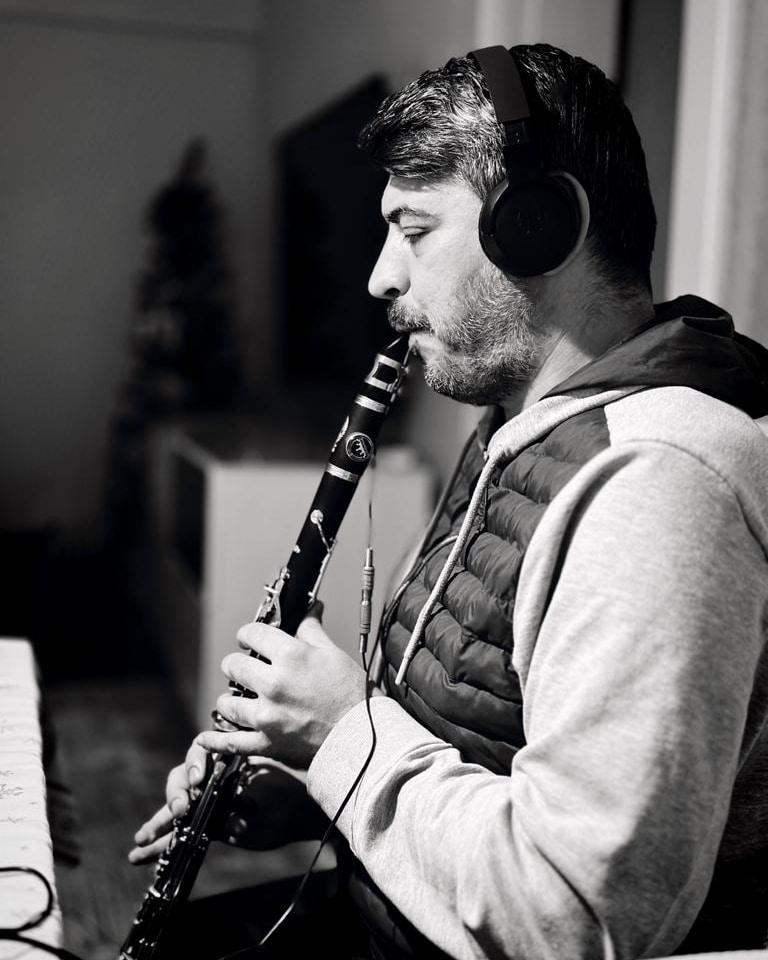
Practice
Breath and focus
01
My main instrument. That warm woodwind colour — open to classical lines and freer sketches.
02
Long tones, slow scales, settling phrases without rushing. On clarinet everything returns to breath.
03
Listening to other clarinetists, copying a tone, then finding my own.
Clarinet is a hobby more than a stage claim. Sketches and recordings live on YouTube: @DrKlarnet.
YouTube channelShort notes from a Ministry of Health–certified first aid instructor. They don't replace training; in a real emergency, call 112 first.
As a Ministry of Health–certified first aid instructor, I teach basic first aid to institutions and organisations. Topics: general first aid, assessing the casualty and the scene, body systems, basic life support (BLS) and AED use, choking, loss of consciousness and serious illness, bleeding, shock and chest pain, wounds, drowning, fractures, dislocations, strains and sprains, insect stings and animal bites, poisoning, burns, cold and heat emergencies, foreign bodies in the eye, ear and nose, and emergency moving techniques. To request a session, write via the Contact section.
At the scene, first make sure you are safe, then check the surroundings and the casualty. Check their response (consciousness) and breathing. Call 112; put the phone on speaker, give your location clearly and follow the health worker's instructions.
If an adult is unresponsive and not breathing, give chest compressions on the lower half of the breastbone at 100–120 per minute, at least 5 and no more than 6 cm deep. You can give compressions only; if you also give rescue breaths, give 2 breaths after every 30 compressions. If an AED is nearby, have it brought at once and follow its voice and visual prompts.
If the person can cough strongly and breathe, tell them to keep coughing and do nothing else. If they can't speak, cough or breathe, first give 5 back blows; if that doesn't work, give 5 abdominal thrusts and keep alternating. If they lose consciousness, start basic life support. Infants (under 1) never get abdominal thrusts; for a complete blockage, alternate 5 back blows and 5 chest thrusts.
Apply direct pressure to the wound with a clean cloth and keep it up for at least 5 minutes. If it soaks through, don't remove it; add another on top. A tourniquet is used for a life-threatening arm or leg bleed that direct pressure and a pressure bandage can't stop; the decision is made with care.
If there's no neck injury, sit down and tilt your head slightly forward; breathe through your mouth and try not to swallow blood. Pinch the soft part of the nose, starting just below the bone, for 10–15 minutes. If the bleeding hasn't stopped by then, call 112. Try not to talk, swallow, cough, spit or sniff.
Hold the burned area under cool running water for at least 20 minutes; for a large area, cool it with a clean cloth soaked in cold water for 15–30 minutes. Don't pop blisters. Never put toothpaste, yoghurt, ice, powder or ointment on a burn.
Heatstroke is an emergency that needs fast action. Move the person somewhere cool, check their consciousness and vital signs, and cool them by wiping with a cool cloth or helping them take a cool shower. Call 112. If they're fully conscious, have them drink plenty of water, and stay with them until help arrives.
Code, music, scripts, first-aid or a general note — just write.